Author: James

  • Tomtits: New Zealand’s Tiny Forest Treasures

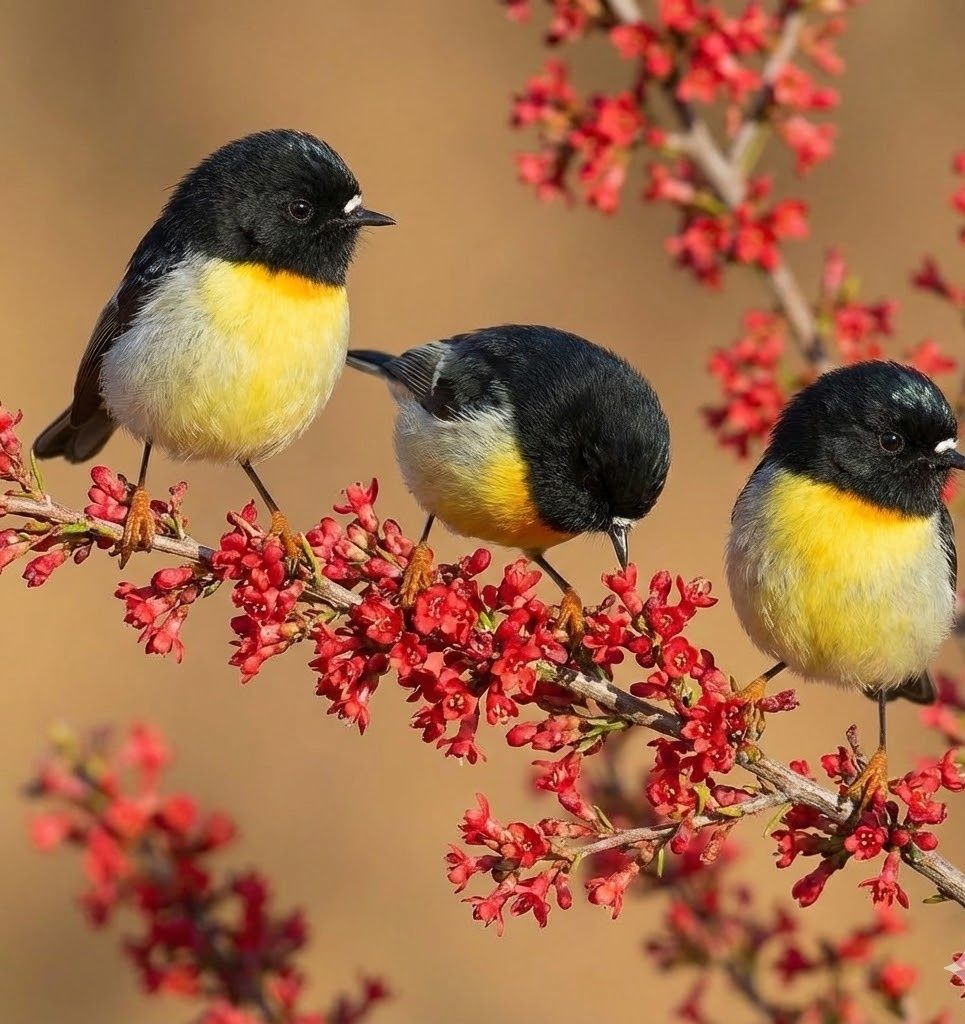
    Perched delicately among bright red blossoms, the Tomtit looks like a tiny drops of sunshine brought to life. With its bold black head, glowing yellow breast, and soft white belly, this charming little bird is one of New Zealand’s most beloved native species.

    Small in size but full of personality, Tomtits add a spark of color and movement to forests throughout Aotearoa.

    A Little Bird with Big Charm

    Tomtits are instantly recognizable thanks to their distinctive appearance:

    • A black head and throat
    • A bright, cheerful yellow or golden breast (in males)
    • White underparts with fluffy, rounded feathers
    • A short, neat beak perfect for catching insects
    • Females feature softer browns and paler yellow tones, blending beautifully into the forest backdrop

    Their tiny size and big, expressive eyes give them an adorable, almost toy-like look.


    Where Tomtits Live

    These small songbirds are native to New Zealand, where they can be found in:

    • Native forests
    • Scrublands
    • Bush edges
    • Regenerating woodland
    • Even large parks and reserves

    They thrive particularly well in places with dense foliage, which provides them both food and safe nesting areas.


    Active, Curious, and Always Busy

    Tomtits are energetic insect hunters. You’ll often see them:

    • Darting between branches
    • Hovering briefly to snatch insects mid-air
    • Searching tree trunks for spiders, beetles, and moths
    • Flicking their wings nervously as they forage

    Their quick, agile movements make them delightful to watch as they hop from twig to twig among blooming plants.


    Their Sweet Song

    Despite their small size, Tomtits have a beautifully clear and sharp call. Their song is a cheerful series of whistles that brighten forest mornings and signal the arrival of spring.


    Breeding: Small Birds, Skilled Architects

    Tomtits build tidy, cup-shaped nests out of:

    • Moss
    • Fern fibers
    • Grass
    • Spider webs

    These nests are carefully placed in hidden spots—tree forks, vines, or shrubs—where the female lays 3–4 small eggs. Both parents are devoted caretakers, feeding the chicks with insects packed full of protein.


    A Symbol of New Zealand’s Forest Life

    Tomtits play an important ecological role, helping control insect populations and serving as indicators of forest health. Their presence often signals a thriving, balanced ecosystem.

    Their bright colors, gentle behavior, and constant activity make them a favorite among birdwatchers and nature photographers.
  • Temminck’s Sunbird: A Shimmering Jewel of Southeast Asia’s Forests

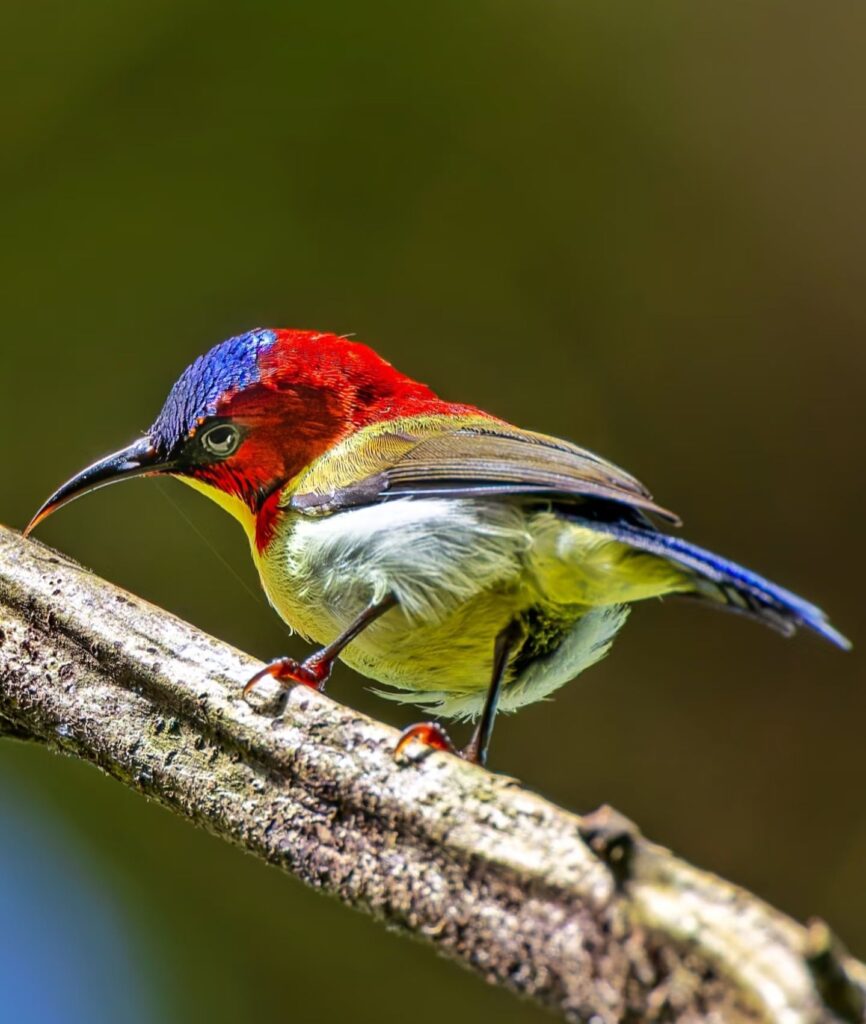
    In the lush tropical forests of Southeast Asia, where sunlight filters softly through green canopies, one tiny creature sparkles like a living gemstone—the Temminck’s Sunbird. With its radiant colors and delicate silhouette, this stunning bird looks almost unreal, as if painted by nature’s finest brush.

    Temminck’s Sunbird is small in size but immense in beauty, captivating everyone lucky enough to witness it.


    A Dazzling Palette of Colors

    Male Temminck’s Sunbirds are some of the most brilliantly colored birds in the region. Their plumage shines with:

    • A glowing crimson-red head and throat
    • A shimmering violet-blue crown and tail
    • Metallic olive-gold wings
    • Soft pale underparts with hints of yellow
    • A long, curved black bill built for sipping nectar

    The vibrant combination makes them look like tiny flying sunsets.

    Females are more muted in tone—olive and yellow—but charming and elegant in their own right.


    Where Temminck’s Sunbirds Live

    These beautiful birds inhabit the mountain forests of:

    • Malaysia
    • Borneo
    • Sumatra
    • Southern Thailand

    They prefer cooler, higher elevations—typically between 1,000 and 3,000 meters—where they flit between flowers and mossy branches in search of nectar.


    Masters of Nectar Feeding

    Like hummingbirds, sunbirds are specialized nectar feeders. Their slender, curved bills and brush-tipped tongues allow them to extract nectar deep from tropical flowers.

    Their diet includes:

    • Nectar
    • Small insects
    • Spiders

    This combination provides both energy and protein, especially during breeding season.


    Energetic, Quick, and Always in Motion

    Temminck’s Sunbirds are lively and constantly on the move. They dart between blossoms and branches, hovering briefly like hummingbirds before settling to feed. Their rapid wing beats and bright colors make them easy to spot once you know where to look.

    Their call—a series of thin, high-pitched notes—often echoes through the misty forests, announcing their presence even before they appear.


    Breeding: Small Birds, Big Architecture

    During breeding season, pairs build intricate hanging nests made of:

    • Plant fibers
    • Moss
    • Spider webs
    • Fine leaves

    The nests are often suspended from low branches, protected by leaves and foliage. Their craftsmanship is delicate and surprisingly strong.


    A Symbol of the Tropics’ Hidden Beauty

    The Temminck’s Sunbird is more than a colorful bird—it’s a living symbol of Southeast Asia’s biodiversity. Its radiant feathers and lively behavior highlight the incredible natural beauty found in tropical mountain ecosystems.

    Seeing one feels like discovering a hidden treasure among the trees.

  • The Scrub Jay: A Brilliant Blue Trickster of North America

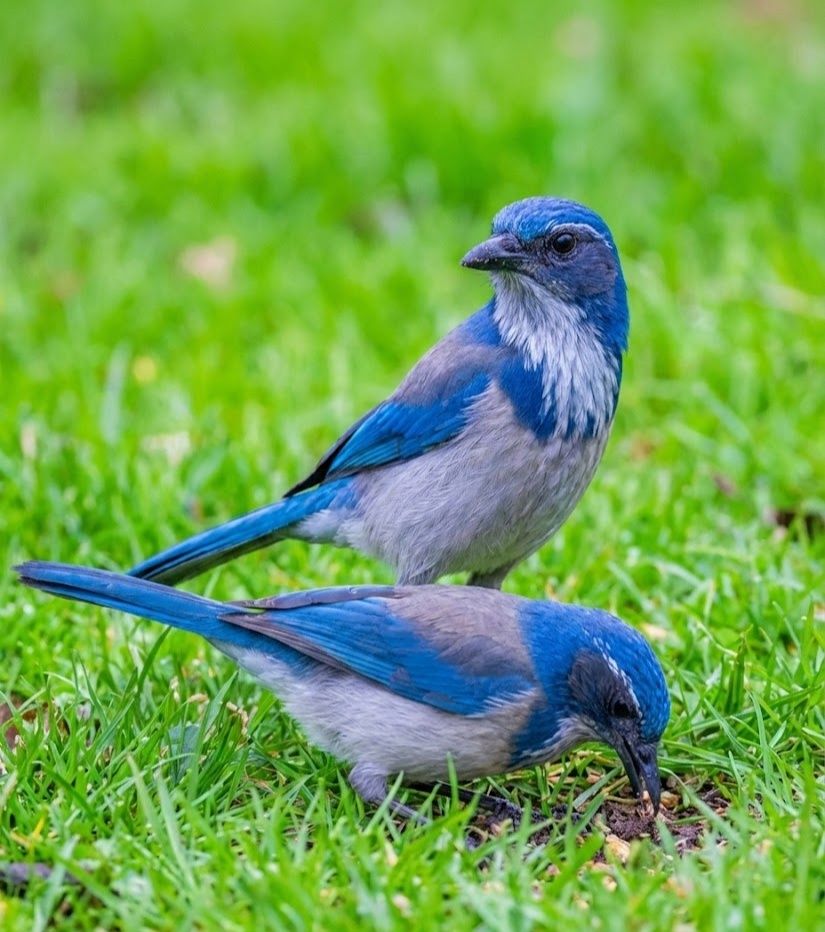
    Bright, bold, and bursting with personality—the Scrub Jay is one of the most fascinating backyard birds in North America. With its striking blue feathers, sharp intelligence, and mischievous behavior, this bird brings energy and character to forests, gardens, and open spaces across the West.

    Whether they’re burying acorns, calling loudly from branches, or hopping confidently across lawns, Scrub Jays are impossible to ignore.


    A Splash of Blue in the Wild

    Scrub Jays are instantly recognizable thanks to their stunning plumage:

    • Rich sky-blue wings and head
    • Grayish-white chest and belly
    • A long, elegant tail
    • Expressive dark eyes

    Their colorful appearance often earns them comparisons to the Blue Jay, but Scrub Jays have their own unique charm and style.


    Where Scrub Jays Live

    These energetic birds inhabit:

    • Woodlands
    • Scrublands
    • Suburban neighborhoods
    • Coastal regions

    They are commonly seen in western North America, especially in:

    • California
    • Oregon
    • Washington
    • Nevada
    • Utah

    Their adaptability makes them one of the most successful and widespread jays in the region.


    Smart, Social, and Surprisingly Clever

    Scrub Jays are known for their remarkable intelligence. They belong to the corvid family—the same group as ravens and crows—famous for their problem-solving skills.

    Some amazing behaviors include:

    • Caching food: They hide seeds and nuts to eat later and remember hundreds of hiding spots.
    • Tool use: Some individuals use sticks or small objects to access food.
    • Social awareness: They watch other jays carefully and even move their food caches if they think they’re being spied on.

    Their playful and curious nature makes them a joy to observe.


    Their Diet: More Than Just Seeds

    Scrub Jays enjoy a varied menu:

    • Seeds
    • Insects
    • Fruits
    • Small reptiles
    • Nuts—especially acorns

    They often forage on the ground, as seen in your photo, using their strong beaks to dig up tasty treats.


    Vocal, Confident, and Full of Personality

    Scrub Jays are not shy. Their loud calls echo through forests and yards, and they often approach humans with surprising boldness. They are social birds, curious about everything around them, and they have no problem announcing their presence.


    A Beloved Symbol of the Western Landscape

    Colorful, intelligent, and endlessly entertaining, the Scrub Jay is one of the West’s most iconic birds. Watching them hop through grass or flash blue across a garden is a reminder of nature’s beauty and brilliance.

    Their bold personality and striking plumage make them a favorite among bird lovers, photographers, and anyone who enjoys a touch of wild spirit in their everyday life.

  • The Bullfinch: A Winter Gem Wrapped in Soft Feathers

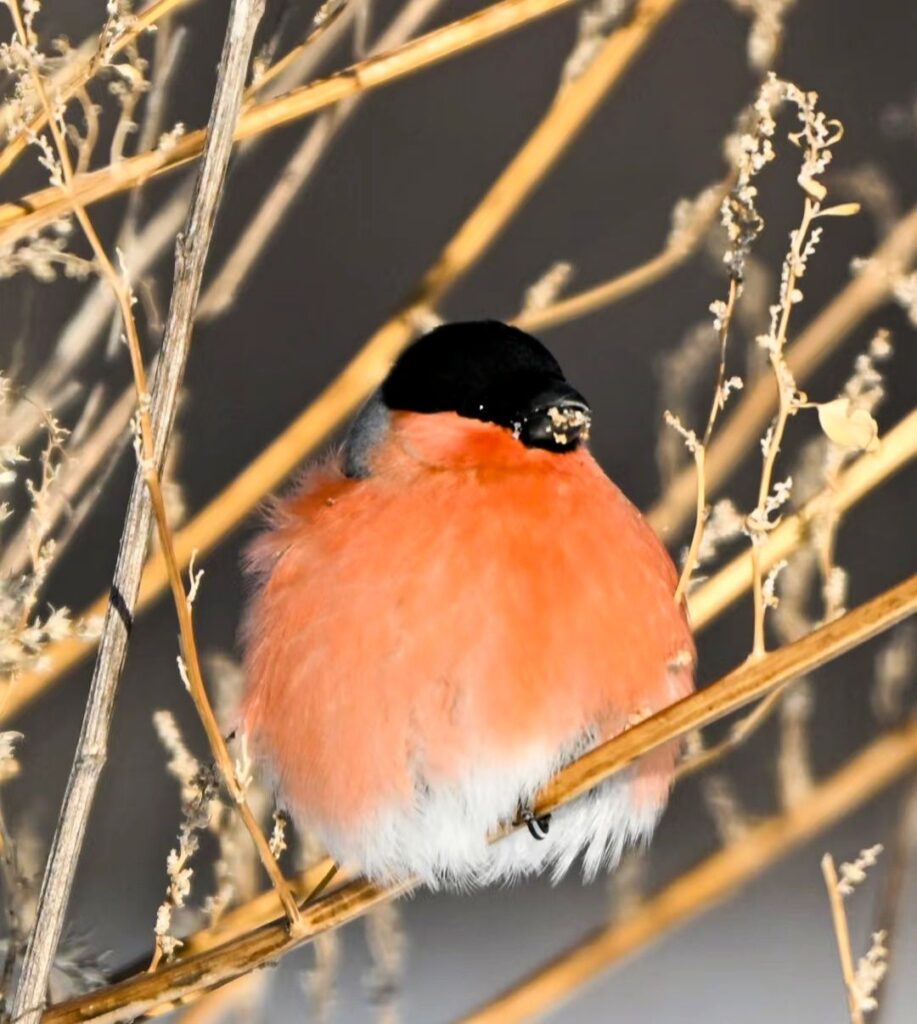
    When winter strips the landscape of color and covers the world in shades of gray and white, one bird steps forward to restore the magic—the Bullfinch. With its rosy-red plumage, soft round shape, and calm temperament, the bullfinch looks like a tiny ember glowing against the bare winter branches.

    It’s one of Europe’s most beloved birds, admired for its beauty, gentleness, and quiet charm.


    A Bird with Striking Elegance

    The male Bullfinch is instantly recognizable. Its features include:

    • A vivid rose-red chest and belly
    • A sleek black cap and black face mask
    • A short, powerful, black beak perfect for cracking seeds
    • A soft, rounded body that makes it look even fluffier in winter
    • Delicate white undertones on the belly and undertail

    Females are more muted, wearing warm brown tones, but they share the same adorable shape and calm demeanor.


    Where Bullfinches Live

    These charming birds are widespread across:

    • Europe
    • Russia
    • Scandinavia
    • Parts of Asia

    They prefer quiet, mixed woodlands, orchards, parks, and gardens—places where dense shrubs offer food and shelter throughout the year.


    A Quiet Personality

    Unlike many small songbirds, Bullfinches are noticeably gentle and shy. They move softly through branches, often appearing like little colored ornaments hanging among the twigs.

    Their call is not loud or melodic. Instead, they produce soft, flute-like whistles that are soothing and peaceful—perfect for the quiet of winter forests.


    What They Eat

    Bullfinches enjoy:

    • Seeds
    • Berries
    • Buds
    • Small insects in spring

    Their strong beaks allow them to crack even tough seeds easily. In springtime, they sometimes feed on flower buds, which historically made them both admired and blamed by orchard keepers.


    Winter Survivors

    Your photo shows what people love most—Bullfinches look incredibly fluffy in winter. They puff up their feathers to trap warm air, turning themselves into round, feathered snowballs that brighten cold, bare landscapes.

    Their pink-red plumage stands out beautifully against frozen branches, making them a favorite subject for winter photography.


    Symbol of Calm and Beauty

    In folklore, the Bullfinch often symbolizes:

    • Peace
    • Gentleness
    • The beauty of quiet moments
    • Hope during winter months

    Seeing one is like a reminder that even in the coldest seasons, nature still offers warmth and color.

  • The Himalayan Beautiful Rosefinch: A Jewel of the High Mountains

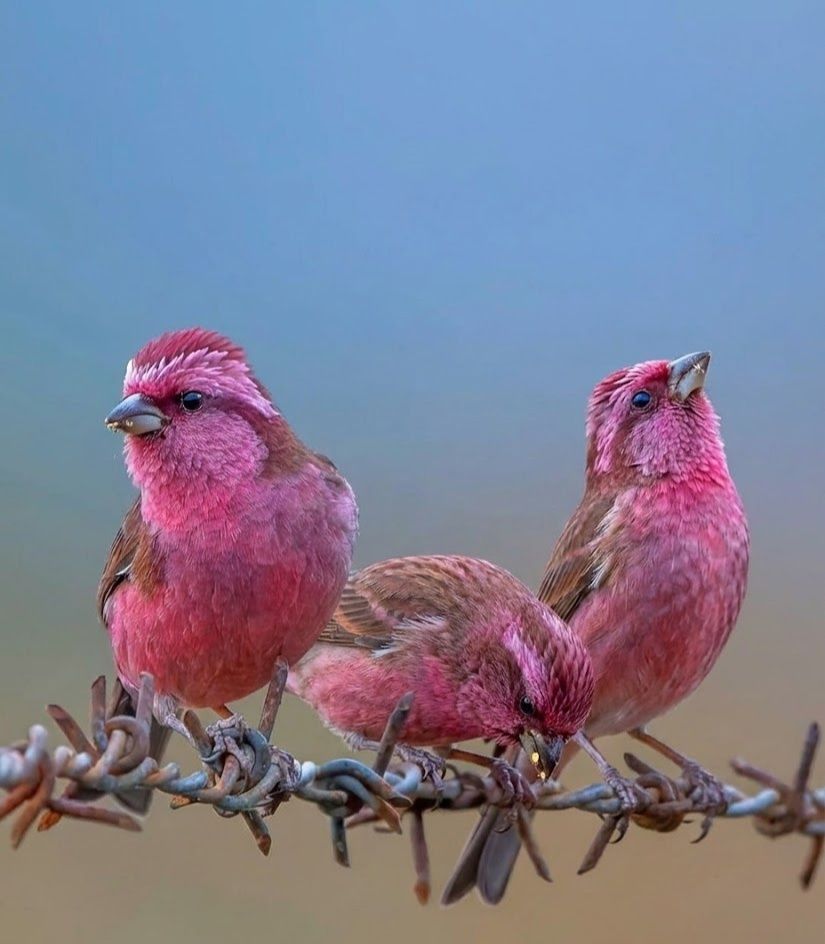
    High in the rugged peaks of the Himalayas, where icy winds sweep across alpine meadows and silence rules the landscape, a splash of unexpected color appears—the Himalayan Beautiful Rosefinch. With its vibrant pink plumage and delicate stature, this tiny bird brings warmth and charm to some of the world’s coldest and harshest environments.

    It’s a gem among mountain birds, captivating anyone lucky enough to spot it.

    A Burst of Pink in a Harsh Landscape

    Male Himalayan Rosefinches are stunning. Their bodies are covered in:

    • Rich rosy-pink feathers from head to belly
    • Subtle browns and warm tones along the wings
    • A compact, seed-cracking beak
    • Bright, expressive eyes that bring life to their gentle faces

    Females, though less vibrant, carry elegant brown and streaked plumage that helps them blend into rocky terrain and shrubby grasslands.

    The contrast between the male’s brilliant colors and the minimalist Himalayan backdrop makes sightings of this bird truly magical.

    Where They Live

    These rosefinches inhabit:

    • The high-altitude slopes of the Himalayas
    • Northern India
    • Nepal
    • Bhutan
    • Western China

    They prefer alpine scrub, meadows, and rocky slopes, often residing at elevations between 3,000 and 5,000 meters. Even in cold, thin air, they thrive.

    Life at High Altitudes

    Himalayan Beautiful Rosefinches are well adapted to mountain life. Their daily routine includes:

    • Foraging for seeds, berries, and small plant buds
    • Traveling in small flocks
    • Perching on rocks or thorny shrubs
    • Diving into thick vegetation to avoid predators

    In winter, when conditions become harsher, they sometimes descend to lower altitudes in search of food.

    A Song That Echoes Through the Mountains

    Despite their small size, these birds have a sweet, noticeable voice. Their gentle calls and melodic chirps can be heard drifting across the slopes—soft but persistent, adding life to the quiet Himalayan ranges.

    Breeding: A Private Mountain Romance

    During breeding season, males show off their brightest plumage. They gather nesting materials such as:

    • Dry grass
    • Moss
    • Fine plant fibers

    Females craft delicate cup-shaped nests, usually hidden within dense shrub cover. Their eggs and chicks stay well concealed from predators and the unforgiving mountain weather.

    A Rare Beauty Worth Protecting

    Though not endangered, the Himalayan Beautiful Rosefinch depends on stable alpine habitats. Climate change and human disturbance threaten these delicate ecosystems.

    Preserving their environments ensures that these radiant mountain jewels continue to brighten the Himalayas for generations to come.

  • The Amazing Ruddy Shelduck Family: Nature’s Most Adorable Parade

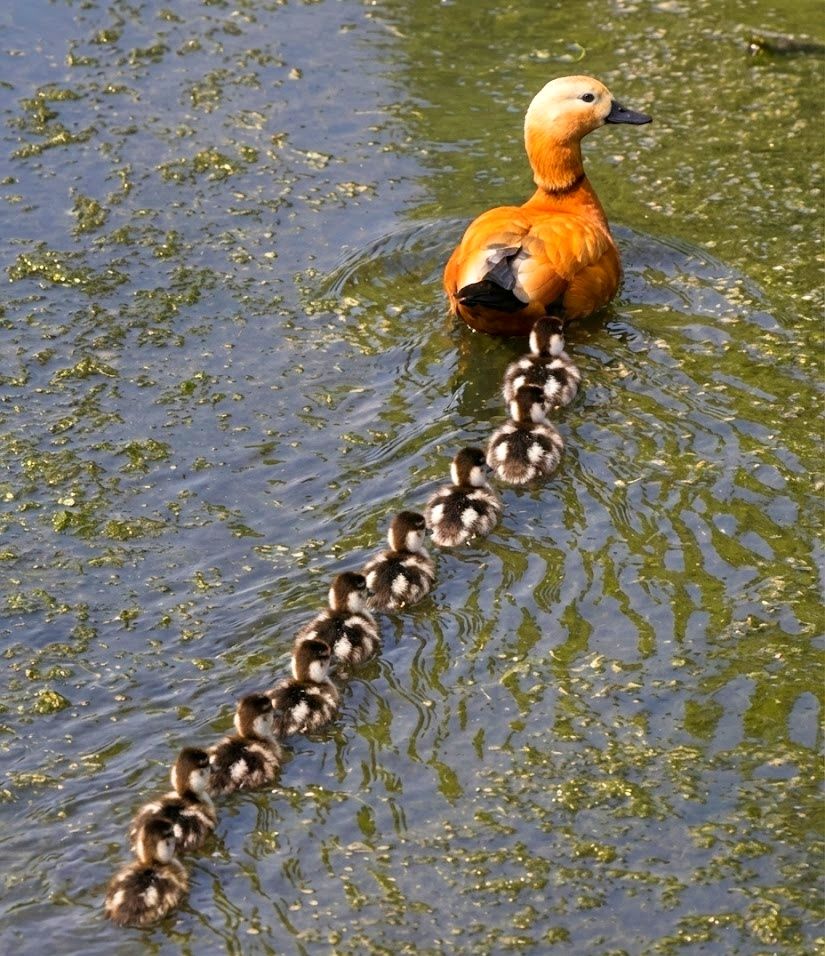
    Some scenes in nature feel like they were created just to make us smile—and few are as charming as a Ruddy Shelduck leading her fluffy ducklings across the water. With her bright orange plumage glowing in the sunlight and a long line of tiny chicks paddling behind, the Ruddy Shelduck mother is the picture of grace, warmth, and family devotion.

    This remarkable bird doesn’t just turn heads with her beauty—she represents one of nature’s sweetest examples of parental care.

    A Bird of Striking Beauty

    The Ruddy Shelduck is instantly recognizable. Its features include:

    • A rich burnt-orange body
    • A pale, creamy head
    • Strong, black-tipped wings
    • A confident, upright posture

    This bold coloration sets it apart from most ducks and gives it a near-regal appearance as it glides over the water.

    Ducklings on a Mission

    But the true showstoppers are the tiny ducklings trailing behind. Covered in soft black-and-white down, they form a perfect little procession behind their parent, paddling in unison like a miniature fleet.

    Why do they swim in such a straight line?

    • It reduces drag, helping the ducklings save energy.
    • It keeps them close and protected.
    • It makes it easy for the parent to keep track of every chick.

    It’s nature’s clever design—adorable and efficient at the same time.

    Where Ruddy Shelducks Live

    This species can be found across a broad range, including:

    • Central Asia
    • Southeast Europe
    • Northern Africa
    • The Indian subcontinent

    They prefer lakes, marshes, and slow-moving rivers, and they are known for their loud, expressive calls that echo across open water.

    Family Life: Strong Bonds and Protective Parents

    Ruddy Shelducks are known for their strong pair bonds. They are often monogamous, forming lasting partnerships. During the breeding season, the female chooses a safe nesting site—often in burrows, tree hollows, or even old buildings.

    Once the ducklings hatch, the parents are fiercely protective. The young are able to swim almost immediately and follow their mother everywhere, learning how to forage and move safely through their environment.

    The sight of these small families traveling together is both touching and symbolic—a reminder of the instinctive love and care that exists throughout the natural world.

    A Scene That Warms the Heart

    Watching a Ruddy Shelduck family on the water is like witnessing a small miracle: peaceful, gentle, and full of life. Each fluffy duckling following in perfect formation is a promise of the future—a new generation learning to navigate the world one tiny paddle at a time.

    Moments like this remind us to slow down, appreciate nature’s beauty, and cherish the simple joys around us.

  • The Pink Robin: A Tiny Bird with a Burst of Color in Australia’s Forests

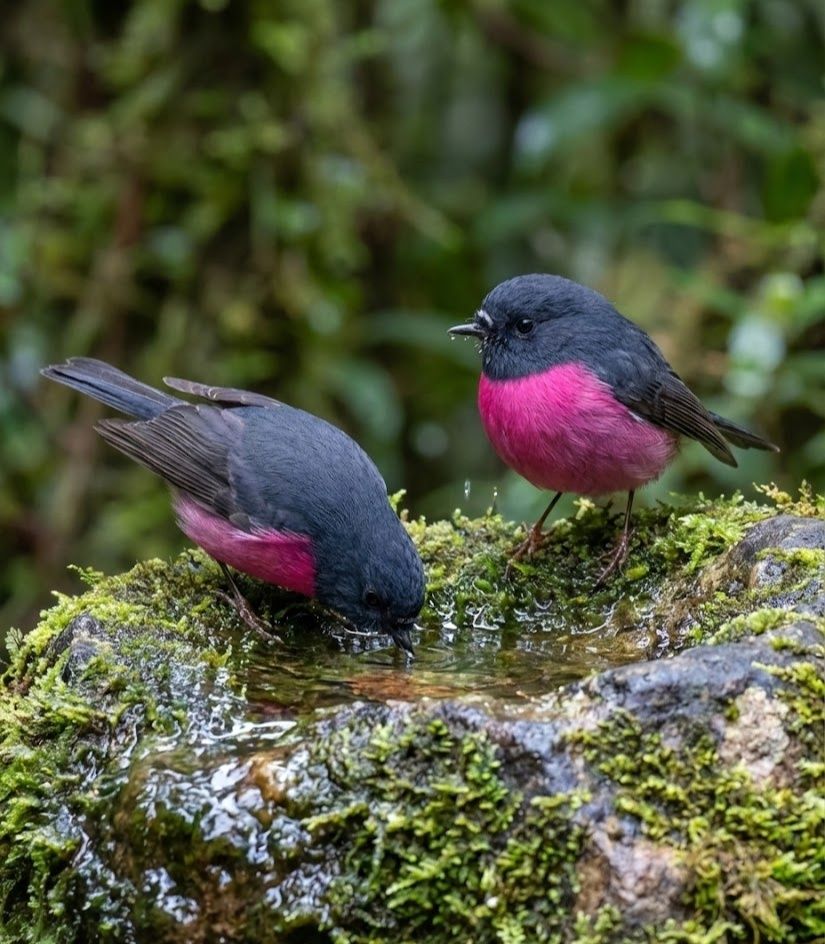
    In the misty forests of southeastern Australia, a small jewel flits among the shadows—the Pink Robin. With its velvety dark plumage and bright bubblegum-pink chest, this tiny bird looks almost too perfect to be real. It’s one of nature’s most charming contrasts: soft, delicate, and strikingly vibrant all at once.

    A Stunning Splash of Pink

    Male Pink Robins are instantly recognizable. Their feathers form a gorgeous color palette:

    • A deep charcoal-black head, back, and wings
    • A glowing pink chest and belly
    • A small, neat black beak and expressive dark eyes

    Females, meanwhile, are dressed in softer brown tones, perfectly camouflaged for nesting but still subtly elegant.

    This dramatic difference between males and females—called sexual dimorphism—is common in many bird species, but the Pink Robin takes it to another level with its bold coloration.

    Where Pink Robins Live

    These beautiful birds are native to the cooler, wetter regions of southeastern Australia, especially:

    • Tasmania
    • Victoria
    • Parts of New South Wales

    They prefer dense, mossy forests, where they hop between logs and low shrubs in search of food. Misty mountain areas and rainforest gullies are their ideal homes.

    Behavior: Small but Energetic

    Despite their soft appearance, Pink Robins are active and lively. They spend much of their time foraging close to the forest floor, feeding on:

    • Insects
    • Spiders
    • Small larvae

    They often perch silently, scanning the ground for movement before darting down to catch prey.

    Breeding: A Forest Architect

    The female Pink Robin builds an exquisite, tiny nest—one of the most beautifully crafted in nature. Made of:

    • Moss
    • Bark
    • Spider webs
    • Soft plant fibers

    The nest is shaped like a delicate cup and placed carefully on low shrubs or branches, blending perfectly with the forest around it.

    A Rare Sight Worth Protecting

    Pink Robins are not commonly seen by casual forest walkers. Their shy nature and preference for thick vegetation make them elusive. But for those who spot one, it feels like stumbling upon a secret—an unexpected flash of pink in the green shadows.

    They remind us how diverse and magical Australia’s wildlife truly is. Protecting their habitats ensures that future generations can continue to admire these tiny forest gems.

  • The Standard-Winged Nightjar: A Mysterious Bird with Extraordinary Wings

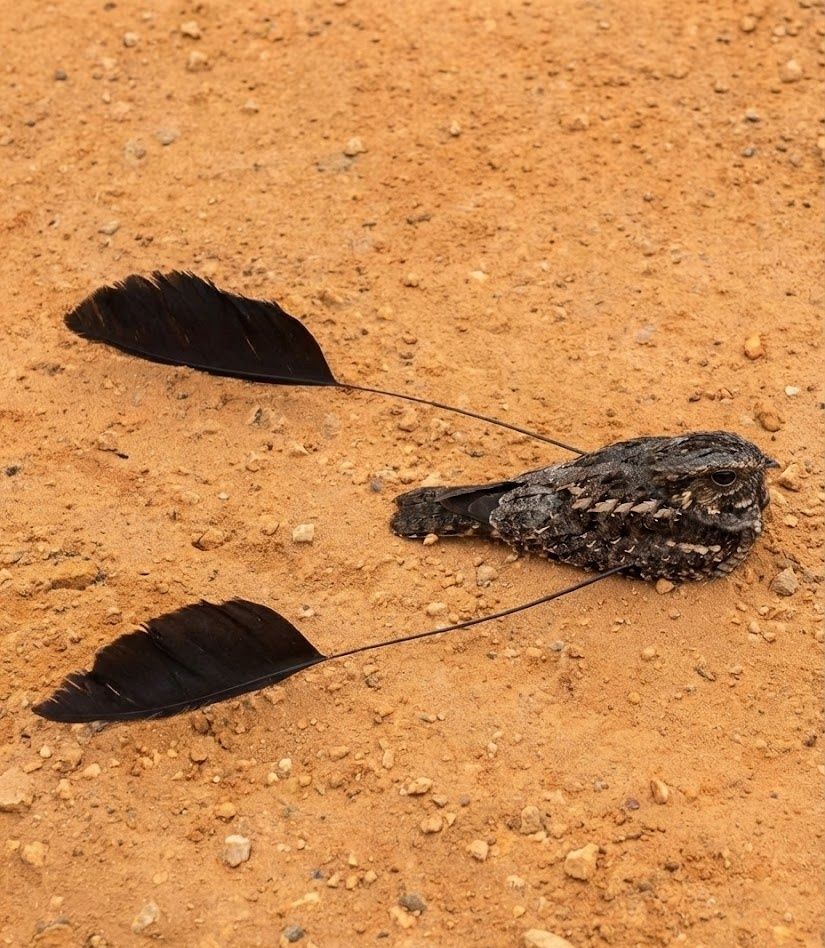
    In the world of birds, few species are as surprising and otherworldly as the Standard-winged Nightjar. At first glance, this small, camouflaged bird blends perfectly into the dusty ground beneath it. But during breeding season, the male transforms—revealing two astonishing, elongated wing feathers that look like something from a fantasy film.

    This species proves that nature is full of brilliant surprises.

    A Master of Disguise

    Nightjars are known for their exceptional camouflage, and the Standard-winged Nightjar is no exception. Its mottled brown, gray, and black plumage helps it disappear into dirt, rocks, and dry vegetation. When resting on the ground, it becomes nearly invisible to predators and observers alike.

    This cryptic appearance allows it to survive in its typical habitats:

    • Dry savannas
    • Open woodlands
    • Sahel regions of West Africa

    The Incredible Standard Wings

    The bird gets its name from the two spectacular feathers that grow from the male’s wings during the breeding season. These feathers:

    • Extend far beyond the rest of the wing
    • Are carried on long, thin shafts
    • End in large, paddle-like tips
    • Bounce and float in the air as the bird flies

    When the male is in display flight, the feathers trail behind like two black banners—creating one of the most unique courtship spectacles in the animal kingdom.

    Behavior and Courtship Displays

    During mating season, males perform dramatic aerial displays at dusk. They fly low over the ground, fluttering rhythmically, letting the long “standards” wave and shimmer in the evening light. This mesmerizing dance is meant to attract females.

    When the season ends, the special feathers fall off, and the bird returns to its more ordinary appearance.

    Life in the Twilight

    Standard-winged Nightjars are nocturnal. They become active during dusk and nighttime, feeding on insects such as moths and beetles. Their wide mouths allow them to scoop insects from the air as they glide silently through the night.

    They don’t build nests. Instead, they lay their egg directly on bare ground—a strategy supported by their near-perfect camouflage.

    A Rare Beauty of West Africa

    This species is native to countries such as:

    • Senegal
    • Mali
    • Guinea
    • Sierra Leone
    • Burkina Faso
    • Nigeria

    Though not widely seen, those lucky enough to witness a male’s display never forget it. The Standard-winged Nightjar is a reminder of just how diverse and magical birdlife can be.

  • The Knob-Billed Duck: One of Nature’s Most Unique and Unforgettable Waterfowl

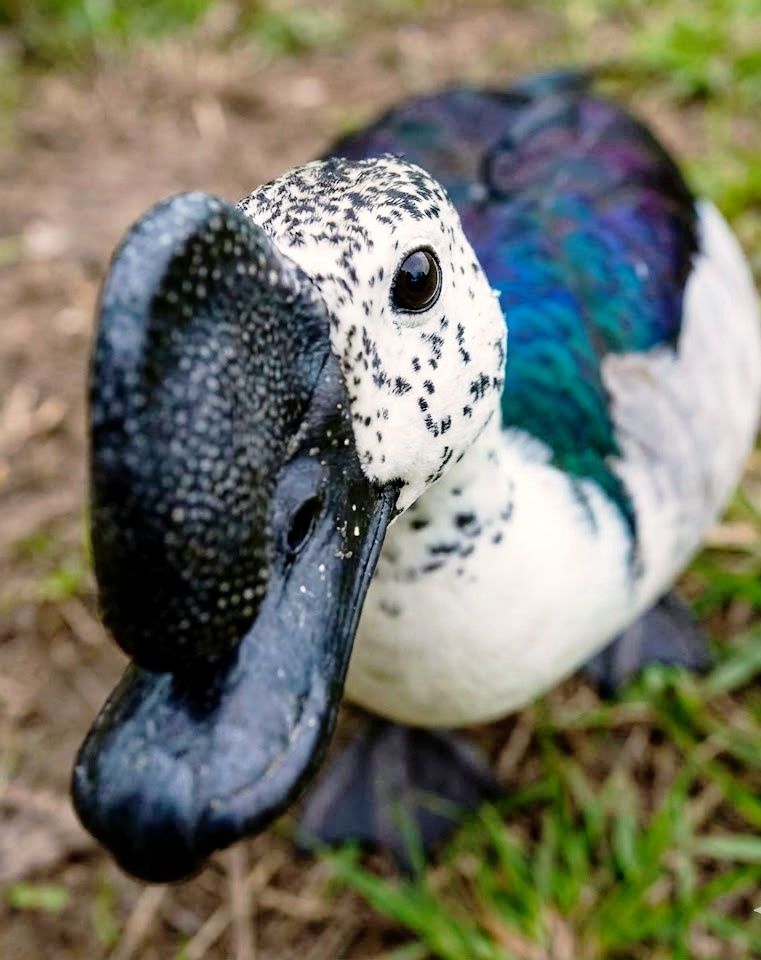
    Among the world’s many fascinating waterbirds, few spark as much curiosity as the Knob-billed Duck. With its striking pattern, iridescent feathers, and the unmistakable black “knob” on its bill, this species stands out instantly. It’s a bird that surprises anyone seeing it for the first time—charming, unusual, and a little bit prehistoric-looking.

    What Makes the Knob-Billed Duck So Distinctive?

    The most recognizable feature of this duck is, of course, the large black knob on the top of the male’s bill. This rounded structure grows bigger during the breeding season and is used to attract females. It gives the duck a unique silhouette and makes it one of the most identifiable waterfowl in the world.

    Besides the knob, the bird’s appearance is equally captivating:

    • A speckled white head and neck
    • Glossy feathers on the back that shift between blue, green, and purple depending on the light
    • A sturdy, powerful bill ideal for foraging
    • Elegant black-and-white contrast across its body

    Females and juveniles lack the large knob, and their plumage is generally more muted.

    Where They Can Be Found

    The Knob-billed Duck, also known as the Comb Duck, has a wide distribution. It can be found across:

    • Sub-Saharan Africa
    • South Asia
    • Southeast Asia
    • Parts of South America

    These ducks prefer wetlands, lakes, marshes, and flooded grasslands where they can forage comfortably.

    Behavior and Lifestyle

    Knob-billed Ducks are strong fliers—surprisingly so for their size. They are known for migrating long distances in search of suitable wetlands.

    Their diet includes:

    • Seeds
    • Aquatic plants
    • Grains
    • Small invertebrates

    They spend much of their time grazing near water, swimming calmly, or perching on trees—something not many ducks do!

    Breeding and Social Interactions

    During mating season, the male’s knob becomes larger and more prominent. They often perform visual displays to win the attention of females. These ducks usually nest in tree cavities or on the ground close to water sources.

    Interestingly, the species is known for communal nesting—several females may lay eggs in the same nest, creating large clutches.

    A Rare and Memorable Sight

    The Knob-billed Duck may not be as famous as swans or mallards, but it is undoubtedly one of the most visually unique birds on the planet. Its appearance makes it a favorite among birdwatchers and wildlife photographers.

    Seeing one up close is an unforgettable experience—especially with that curious, oversized bill knob looking right back at you.

  • The Golden Pheasant: Nature’s Most Vibrant Feathered Jewel

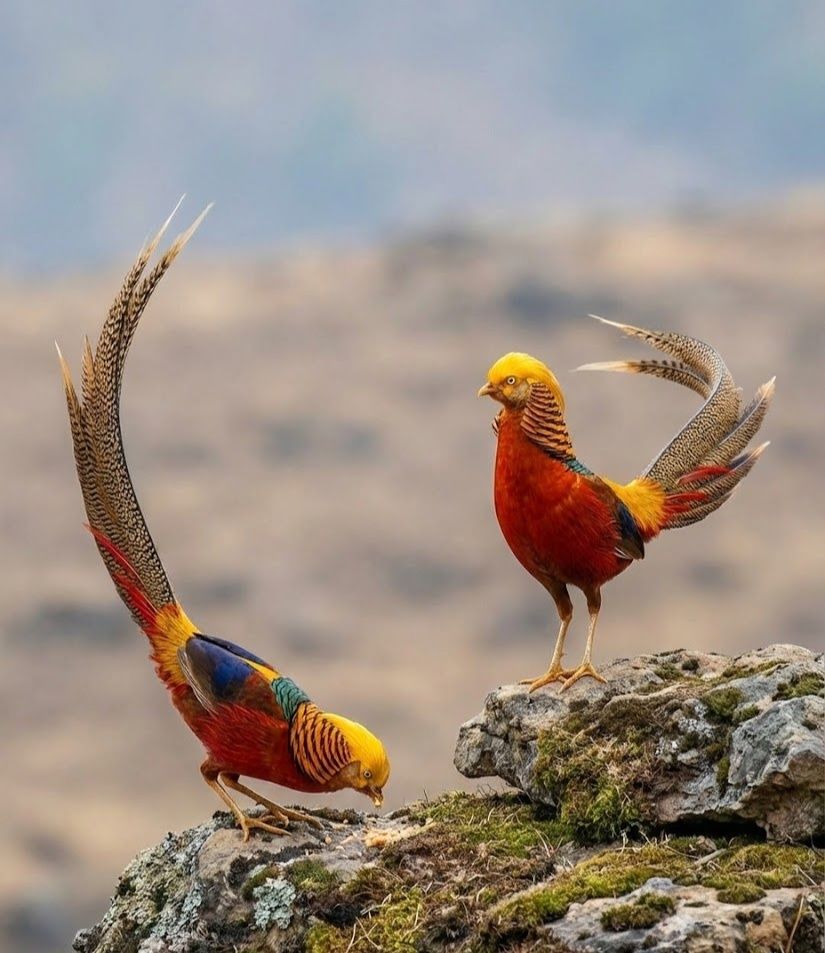
    The animal kingdom is full of extraordinary beauty, but few creatures can rival the breathtaking elegance of the Golden Pheasant. With its dazzling plumage, graceful movements, and almost mythical appearance, this bird has become a symbol of natural wonder. Whether perched on mossy rocks in misty mountains or strutting through dense forests, the Golden Pheasant looks like it stepped out of a painting.

    A Burst of Color in the Wild

    Native to the mountainous regions of western China, the Golden Pheasant—also known as the Chinese Pheasant or “Red Golden”—is instantly recognizable. The males are especially striking:

    • A golden crest that cascades like a shimmering veil
    • A deep red body glowing with warm tones
    • Iridescent blues, greens, and oranges across the wings
    • A long, elegant tail patterned with fine, intricate markings

    Females, on the other hand, are more muted in color, designed for camouflage, but still possess a subtle beauty of their own.

    Where They Live

    Although originally from China, Golden Pheasants have spread to other regions, including parts of Europe and the Americas, where they live comfortably in forests, farmlands, and hilly areas. They prefer quiet, dense woodlands where they can hide easily and forage for food.

    Behavior and Personality

    Despite their flamboyant appearance, Golden Pheasants are surprisingly shy. They spend most of their time on the ground, moving quickly through bushes to search for food such as grains, leaves, berries, and insects. At night, however, they fly up into trees to stay safe from predators.

    One of the most fascinating behaviors occurs during mating season: males perform dramatic displays—fanning out their golden cape and stretching their long tail—to attract females. Watching this spectacle feels like witnessing nature’s very own fashion show.

    Symbolism and Cultural Significance

    In Chinese culture, Golden Pheasants are associated with beauty, luck, and prosperity. Their bright colors have inspired traditional art, embroidery, and even royal garments. They’re often seen as symbols of good fortune and honor.

    A Rare Sight Worth Cherishing

    Encountering a Golden Pheasant in the wild is a magical experience. Their combination of vibrant colors, elegance, and mystery makes them one of the most captivating birds on Earth. They remind us of nature’s endless creativity—and how important it is to protect the habitats where such rare beauty thrives.